
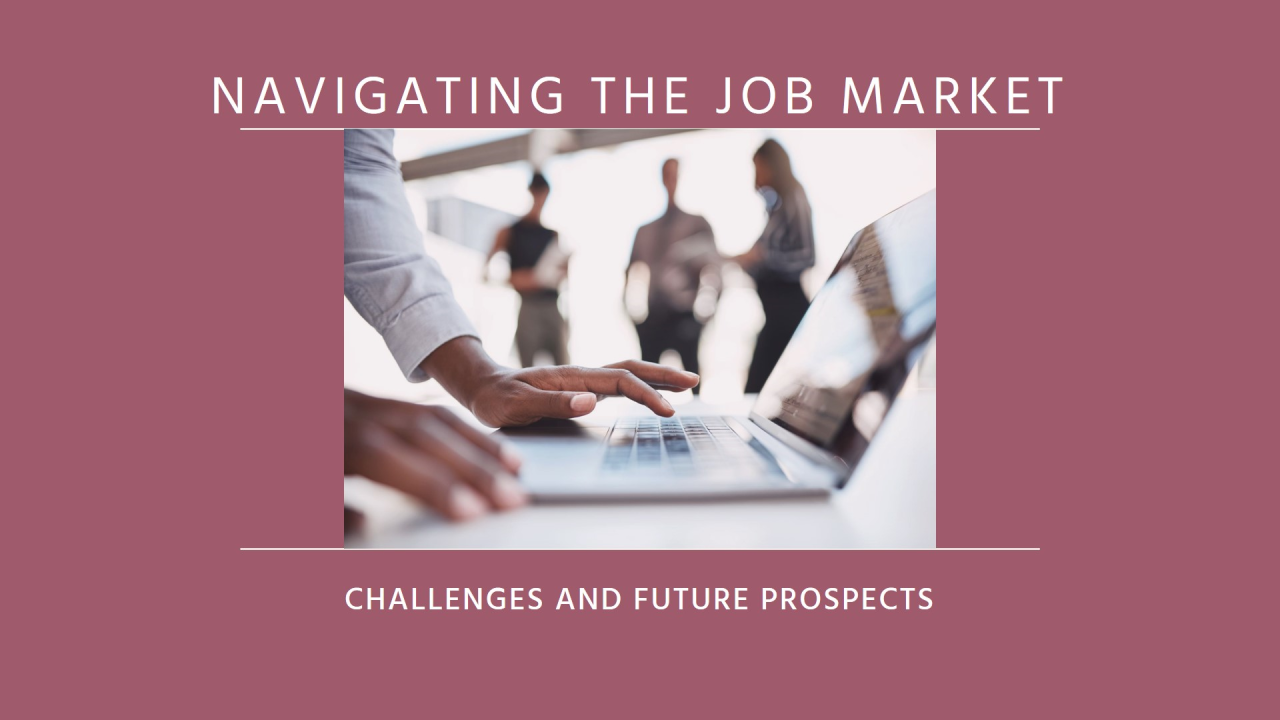
The job market today presents a complex blend of challenges and opportunities. With economic fluctuations, technological advancements, and shifts in industry demands, job seekers face an evolving environment. The post-pandemic recovery has led to a competitive job market, where employers are seeking highly skilled candidates, and job seekers are striving to stand out.
Key Challenges:
1. High Competition: The market is saturated with qualified professionals, making it harder to secure positions.
2. Skills Mismatch: Rapid technological advancements have created a demand for new skills, leaving some workers struggling to keep up.
3. Economic Uncertainty: Fluctuations in the global economy affect hiring trends, causing delays and freezes in recruitment processes.
4. Remote Work Dynamics: The shift to remote work has changed hiring practices and work culture, requiring adaptability from both employers and employees.
Positive Trends and Future Prospects
Despite these challenges, there are promising trends indicating improvements in the job market over the next few months:
1. Economic Recovery: As economies stabilize, companies are resuming hiring and expanding their workforces.
2. Investment in Skills: Increased focus on upskilling and reskilling initiatives helps bridge the skills gap, making candidates more attractive to employers.
3. Technological Integration: Advancements in technology are creating new job opportunities in emerging fields like AI, cybersecurity, and digital marketing.
4. Hybrid Work Models: The rise of hybrid work models offers flexibility, catering to a broader range of job seekers and improving work-life balance.
Tips for Standing Out in the Job Market
To navigate the competitive job market, it’s essential to adopt strategies that enhance your visibility and appeal to potential employers:
1. Tailor Your Resume: Customize your resume for each job application, highlighting relevant skills and experiences.
2. Network Actively: Leverage professional networks like LinkedIn to connect with industry professionals and discover job opportunities.
3. Showcase Soft Skills: Emphasize skills like communication, adaptability, and problem-solving, which are highly valued by employers.
4. Continual Learning: Stay updated with industry trends and continuously develop new skills through online courses and certifications.
5. Personal Branding: Build a strong personal brand by sharing industry insights, participating in webinars, and publishing articles.
Crafting an Executive Resume: Dos and Don’ts
Creating an executive resume requires careful consideration of what to include and what to omit to make a strong impression.
What to Include:
– Professional Summary: A concise statement highlighting your career achievements and goals.
– Core Competencies: Key skills and expertise relevant to the executive role you’re targeting.
– Achievements: Quantifiable accomplishments that demonstrate your impact and value.
– Leadership Experience: Examples of your leadership roles and how you’ve successfully led teams or projects.
– Education and Certifications: Relevant academic qualifications and any specialized certifications.
What to Avoid:
– Irrelevant Details: Exclude outdated skills or job experiences that do not add value to your current career goals.
– Lengthy Descriptions: Be concise and focus on key points rather than lengthy narratives.
– Personal Information: Avoid including personal details like age, marital status, or photos, which are unnecessary for a professional resume.
– Jargon and Buzzwords: Steer clear of overused terms that don’t convey specific value or skills.
– Errors: Ensure your resume is free from typos and grammatical errors to maintain a professional appearance.
Conclusion
The job market today is challenging but not insurmountable. You can navigate the job market successfully by staying informed about market trends, continuously improving your skills, and strategically presenting your qualifications. The future holds promising opportunities, and with the right approach, you can position yourself for success in the evolving landscape.
We hope you find these insights and tips helpful as you navigate your career journey. Stay tuned for more updates and advice in our next newsletter!
Subscribe to our newsletter for the latest trends, tips, and career advice delivered straight to your inbox.